ByJohn A
The Complete Guide to Indian Bridal Jewelry
Shopping for Indian bridal jewelry usually starts months before the wedding and involves far more decisions than most brides expect. Beyond picking a design that looks good in photos, there are metal choice, weight, regional tradition, and how each piece works with the rest of the bridal look. This guide breaks the process into manageable steps.
Starting with the Bridal Jewellery Set
Most brides begin with a core bridal jewellery set, typically a necklace, earrings, and sometimes a maang tikka, chosen to match the wedding outfit’s color and level of detail. Building outward from this core piece makes it easier to decide on smaller additions like bangles or a nose ring later.
For a first pass, browsing Indian bridal jewelry collections from Jida Jewels by region or style helps narrow down a very wide category before visiting a jeweler in person for final decisions.
Popular Styles Worth Knowing
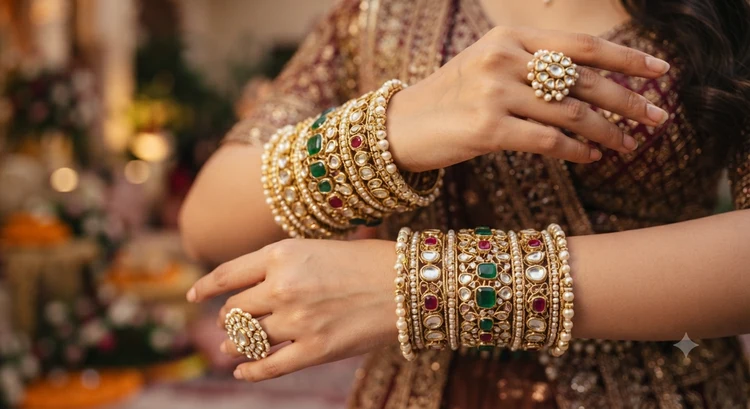
Kundan jewelry, with its flat-set stones and gold outlining, remains one of the most requested styles for North Indian weddings, while polki jewelry, using uncut diamonds, tends to suit brides looking for a slightly more understated sparkle. South Indian weddings often lean toward temple jewelry with fine gold detailing instead.
Matching Style to Outfit Color
Kundan jewelry in warm gold tones pairs naturally with reds and maroons common in North Indian bridal wear, while polki jewelry’s cooler shine often suits pastel or ivory outfits better. Bringing a swatch of the outfit fabric when shopping avoids guessing under store lighting.
Weight and Wearability for a Full Day
Indian bridal jewelry can get heavy fast once a necklace, earrings, maang tikka, and bangles are all combined, and how the full set feels to wear matters as much as appearance. Trying on the full set together, rather than piece by piece, gives a more accurate sense of total weight.
Some brides now choose a slightly lighter gold jewelry base with detachable layers, allowing heavier pieces to be worn for the ceremony and swapped for something lighter by the reception.
Regional Traditions to Consider
Every region carries its own expectations around Indian bridal jewelry, from Bengali shakha pola bangles to Maharashtrian nath nose rings. Checking with family about which pieces are considered essential in a specific tradition avoids missing something expected on the day itself.
Even within wedding jewelry that looks broadly similar, small details like stone color or the number of layers on a necklace can signal a specific regional style to guests familiar with the tradition.
Buying Versus Renting
Not every piece needs to be purchased outright. Renting heavier statement pieces for a single event while buying smaller items like a bridal jewellery set for daily wear afterward has become a common middle ground for brides managing a wedding budget.
Caring for Bridal Jewelry After the Wedding
Kundan jewelry and polki jewelry both need gentle cleaning since the stones are set rather than embedded, meaning water and harsh cleaning agents can loosen them over time. Simple gold jewelry pieces hold up better and can usually be cleaned with a soft cloth.
Common Shopping Mistakes to Avoid
A frequent mistake is buying the necklace and earrings from different sellers without checking that the metal tone matches under the same lighting, which can result in a subtly mismatched set once photographed together. Buying core pieces from one place, at least for the primary set, avoids this issue.
Another common error is underestimating how outfit changes affect jewelry needs. A reception outfit with a different neckline than the ceremony outfit often calls for a different necklace length, something worth planning for rather than realizing it the week of the wedding.
See also: Massage Columbus in Ohio Is Helping Busy Lives Feel More Balanced Again
Getting Family Input Early
Since regional customs vary so widely, looping in parents or grandparents early in the process often surfaces expectations that would otherwise be missed until the last minute. This is particularly true for pieces tied to specific rituals rather than general styling choices.
Even when family members have differing opinions on style, getting their input on which specific pieces are considered essential, rather than optional, helps prioritize spending on the items that matter most within a fixed jewelry budget.
When to Start Shopping
Most jewelers recommend starting the bridal jewelry search at least three to four months before the wedding, particularly if any custom work or resizing is involved. Popular kundan jewelry and polki jewelry pieces from well-known sellers can also take time to source if a specific design is out of stock.
Starting early also leaves room to compare a wider range of gold jewelry pieces across sellers without the pressure of a looming deadline forcing a quick decision on a major purchase.
Documenting the Set Before the Wedding
Taking clear photos of the complete Indian bridal jewelry set before the wedding, ideally against a plain background, creates a useful record for insurance purposes and for comparing against family archives in future years. This step is often skipped but takes only a few minutes once everything has arrived.
Keeping a simple written note of which pieces belong to which set also helps avoid confusion later, especially when gold jewelry and stone set pieces from different events end up stored together after the wedding season ends.
Passing Jewelry Down Through Generations
Many families treat Indian bridal jewelry as something meant to outlast a single wedding, passed down to daughters or nieces in future generations rather than resold or broken apart. Choosing classic gold jewelry designs over highly specific trend pieces makes a set more likely to be worn again by someone else years later.
Keeping documentation of a set’s origin, including which relative first wore it, adds sentimental value that goes beyond the jewelry itself, something many families only think to record after it is too late.
Final Thoughts
Choosing Indian bridal jewelry works best when approached step by step, starting with a core bridal jewellery set and building outward based on regional tradition, outfit color, and how much weight feels manageable for a full day. With enough lead time, the final set becomes something worn with ease and remembered fondly rather than something rushed into at the last minute.