ByJohn A
Mandir for Home Is Inspiring a New Standard for Personalised Interior Design
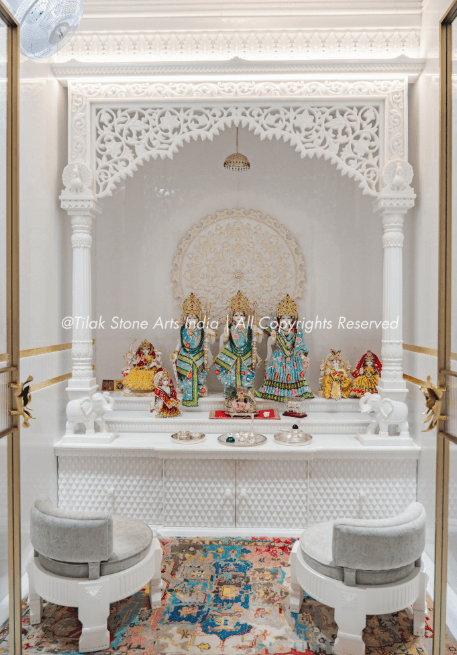
Home interiors are moving away from show-home uniformity toward rooms that hold personal weight for the people living in them. A mandir for home sits at the centre of this change, blending devotion with daily surroundings so a prayer space feels rooted in the family rather than added as an afterthought to a finished room.
Standard prayer corners often borrow whatever finish the rest of the room already uses, which leaves worship squeezed into space left over once everything else is placed. A well-planned mandir for home changes that. The shrine earns its own considered layout, one built around how a household actually prays and gathers, so ritual no longer has to bend around existing furniture.
Where a Ready-Made Shrine Works against the Room
A Fixed Piece Rarely Matches the Wall: Ready-made pieces come in fixed sizes and set patterns, so they rarely match the wall they land against or the way a family uses the space around them. In workshops that take on bespoke temple commissions, artisans regularly meet households who bought a stock piece first and returned later once its proportions clashed with the room.
Small Mismatches Grow Costlier over Time: Postponing a proper design usually means living with a shrine that feels cramped, then paying twice once the stopgap piece is replaced. Retrofitting a fixed layout is harder than planning from the start, because electrical points and floor finishes are set early and resist late change. The longer a mismatch stays, the fewer easy options a household keeps.
Considered Design and Fine Marble Settle a Prayer Space
Design Shaped around Daily Ritual: A mandir for home works best when its proportions and storage follow the daily rituals a family performs. The best location for a prayer area is usually the northeast of the home, where early light reaches the shrine and the space stays quiet through the morning. Personalised planning lets these needs guide the design instead of squeezing them in afterwards.
Marble Chosen for Strength and Glow: Handcrafted marble suits a shrine because it is dense enough to hold deep carving without chipping, then rewards that work with a soft glow under lamplight. Carved by specialist designers into crisp pillars and delicate jaali screens, the piece becomes a natural focal point that anchors the room rather than fading into the background.
Choosing between a Ready-Made and a Tailored Shrine
What a Fixed Design Offers, and Its Limits: A ready-made mandir costs less at the outset and arrives quickly, which suits renters or anyone testing a small prayer setup before committing. The trade-off is fit, because a stock size cannot follow an unusual ceiling height or a family custom that shapes how the shrine gets used. It answers a general need well and a particular one poorly.
A Tailored Shrine Built for Its Home: Measured to the exact room by trained specialists, a tailored design settles into an awkward corner that a boxed unit would leave empty. It follows the cornice lines of the house and leaves clear negative space around the shrine, so the piece breathes and reads as built in. It holds the customs a family keeps, from a fixed idol placement to room for seasonal offerings.
Lasting Value from Well-Kept Marble
Why the Investment Holds Its Worth: A well-built mandir for home keeps its value for years, because marble ages slowly and a considered design stays relevant long after installation. Sealed and dusted with care, the stone can stay bright for decades, which means the outlay is spread across long service rather than a short showroom life. Quality here proves economical over time.
A Surface Suited to Daily Devotion: Marble stays naturally cool, which keeps a prayer area comfortable during long rituals and lamp use. The stone holds warmth gently and releases it slowly, so the shrine and the air around it settle into a steady, calm feel through the day. Care is light too, so a soft cloth and an occasional reseal keep it looking new.
Practical Points Worth Weighing First
A few decisions shape how well a mandir for home turns out, and settling them early keeps the whole project calm. The points below help a household weigh placement and craft before any money changes hands, so the finished shrine reflects a real need rather than a last-minute compromise settled under pressure.
- Placement matters most, so confirm the shrine sits where morning light and quiet naturally meet before finalising any design.
- Measure the exact space, including ceiling height and nearby wall finishes, so the piece fits without awkward gaps.
- Ask to see the marble in person, since colour and veining vary between slabs and photographs rarely tell the full story.
- Choose carving that matches how the family worships, rather than the most ornate option on display.
- Plan for wiring and lighting early, because power points set into the wall are difficult to move once fitted.
See also: Top Reasons Businesses Prefer 100 Polyester T-Shirts for Promotional Events
A Sacred Space Made to Belong
A prayer space shaped around the people who use it becomes a quiet anchor in the home. Settling for a stock piece today often means redoing the work later, at greater cost and more disruption than planning once and planning well. The better path starts with a conversation, so arrange a design consultation and let a specialist map the right shrine for your space.