ByJohn A
Different Types of Precision Chamfering Machines and Where They Are Used
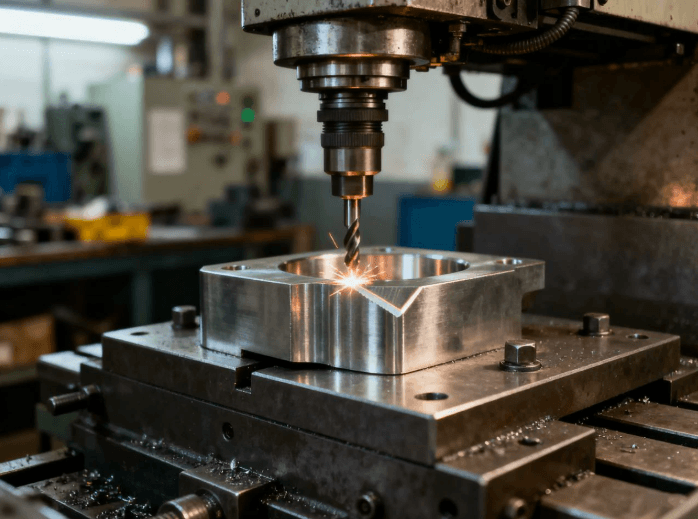
Precision chamfering machines create controlled, repeatable edges on bar stock, tubing, and machined components. Depending on the equipment and tooling, these machines can also perform operations such as facing, turning, center drilling, and preparing material for downstream machining.
The right type of precision chamfering machine depends largely on production volume, material geometry, required operations, changeover frequency, and the degree of automation a manufacturer needs.
For bar-processing applications, precision chamfering equipment generally falls into 3 categories: manual, semi-automatic, and fully automatic chamfering machines. Each serves a different role on the production floor.
What Is a Precision Chamfering Machine?
A precision chamfering machine removes material from the edge or end of a workpiece to create a controlled angled surface.
Chamfers can serve several practical purposes, including:
- Removing burrs and sharp edges
- Preparing bar stock for loading into other equipment
- Creating a lead-in on bar ends
- Preparing components for welding
- Producing a specified edge geometry
- Preparing tubing or bar stock for additional machining
Some chamfering systems can perform multiple operations in one setup, including turning, facing, drilling, and inside diameter (ID) or outside diameter (OD) chamfering.
This makes machine selection more important than simply choosing equipment capable of cutting an angled edge.
Manual Precision Chamfering Machines
A manual chamfering machine gives the operator direct control over material loading and the chamfering process.
These machines are often well suited for job shops, lower-volume production, frequent material changes, prototype work, or facilities processing many different bar sizes and materials.
JF Berns’ Bar Champ, for example, uses a rotating chamfer head while the bar remains stationary. The machine can process round, hexagonal, and square stock and can be equipped for chamfering, turning, facing, and center drilling.
Common Uses for Manual Chamfering Machines
Manual machines can be particularly useful for:
Bar feeder preparation:
Chamfering the leading end of bar stock can help prepare material for feeding into downstream machining equipment. In certain collet-style bar-feeding applications, the end of the bar may also need to be turned down before loading.
Deburring:
A precision machine can replace less-controlled manual grinding when manufacturers need a consistent edge rather than simply removing a burr.
Weld preparation:
A repeatable chamfer can prepare an edge for welding by creating the geometry required for weld penetration and placement.
Short production runs:
When production quantities do not justify automation, a manual machine can provide controlled machining without introducing unnecessary material-handling equipment.
Specialty materials:
Depending on machine design and tooling, precision chamfering equipment can process materials ranging from common steels and stainless steel to titanium, Inconel, aluminum, brass, bronze, and other alloys.
The primary advantage is flexibility. Operators can accommodate changing jobs without building an entire automated production process around the chamfering operation.
Semi-Automatic Precision Chamfering Machines
A semi-automatic chamfering machine sits between manual equipment and a fully automated line.
The operator typically introduces or positions the material, while the machine automatically performs functions such as detecting the bar, clamping it, feeding the cutting head, machining the required feature, and releasing the finished part.
This configuration can substantially reduce operator involvement without requiring the investment or production volume associated with a completely automated system.
JF Berns’ Servo Auto Champ 3 is an example of this approach. Once material reaches the machine’s stop, the system can detect, clamp, precision chamfer, and release the bar automatically. Its programmable controls can manage variables including spindle speed, feed speed, and depth of cut.
When Does a Semi-Automatic Chamfering Machine Make Sense?
Semi-automatic systems are particularly useful when manufacturers need:
- Higher bar-processing volumes
- Greater process repeatability
- Faster operator-driven production
- Frequent changeovers between bar sizes
- Programmable machining parameters
- Multiple machining operations from one platform
They can be a strong fit for manufacturers that have outgrown manual processing but do not yet need fully automated loading and unloading.
Repetitive Production
Automation becomes increasingly valuable when operators are repeatedly performing the same chamfer.
Instead of manually controlling each cut, programmable equipment can reproduce established settings for different parts or material sizes.
This improves process consistency and reduces how much of the result depends on individual operator technique.
Multiple Bar Sizes
Manufacturing environments rarely process only one bar diameter indefinitely. A semi-automatic system designed for quick setup or recipe storage can make changing between production requirements more practical.
More Than Chamfering
Tooling can significantly expand the usefulness of the machine.
Available precision chamfering tooling may support operations including:
- 30-degree chamfers
- 45-degree chamfers
- 60-degree chamfers
- Special-angle chamfers
- Turning and chamfering
- Facing
- Facing and chamfering
- ID and OD tubing chamfers
- Center drilling
- Special profiles
JF Berns, for example, offers standard and application-specific tooling across its manual, servo-controlled, and fully automatic chamfering equipment.
That versatility can allow manufacturers to complete bar preparation outside the CNC lathe rather than consuming valuable machine time for relatively straightforward end-preparation operations.
Fully Automatic Precision Chamfering Machines
A fully automatic chamfering machine is designed for higher-volume production where material handling and machining need to operate as an integrated process.
These systems may incorporate loading, part positioning, chamfering, secondary operations, unloading, and finished-part accumulation.
Fully automatic systems are often engineered around a specific manufacturing workflow rather than purchased as isolated pieces of equipment.
Where Fully Automatic Chamfering Machines Are Used
Typical applications include:
High-volume bar production:
When large quantities of similar material require the same end preparation, automatic loading and machining reduce manual handling.
Double-ended chamfering:
Some systems can process both ends of a bar or component, eliminating the need to manually reverse and reload the material.
Integrated manufacturing cells:
Automatic chamfering equipment can potentially be incorporated alongside upstream or downstream equipment when material needs to move through several operations.
Tubing preparation:
With appropriate tooling, machines can perform ID chamfering, OD chamfering, and facing operations required on tubing.
Multi-operation production:
Custom systems can incorporate processes beyond conventional chamfering. JF Berns notes that its automatic machines can be engineered for functions including stamping, slotting, sawing, and other application-specific processes.
These systems become most valuable when throughput, consistent processing, and reduced material handling justify a more specialized machine configuration.
See also: Best AI Lip Sync Tools of 2026 for Stunning Video Content
Single-Ended vs. Double-Ended Chamfering Machines
Another important distinction is whether the application requires machining one end or both ends of the material.
Single-Ended Chamfering
Single-ended machines process one end of the workpiece during each loading cycle.
They can make sense when:
- Only the leading end requires a chamfer
- The opposite end is subsequently cut off
- Another machine performs the secondary operation
- Production flow does not justify simultaneous end processing
Double-Ended Chamfering
Double-ended equipment is designed for applications where both ends of the workpiece require processing.
A manufacturer producing large quantities of cut bar, tubing, threaded blanks, or similarly prepared material may benefit from eliminating the intermediate step of manually turning every part around.
JF Berns manufactures both single- and double-ended automatic precision chamfering systems, with designs that can be modified around the requirements of a particular application.
Chamfering Machines for Tubing
Tubing creates different tooling requirements than solid bar stock because manufacturers may need to control both the inner and outer edges.
Specialized tooling can combine:
- ID chamfering
- OD chamfering
- Facing
A combined tool can perform these features without requiring the tube to move through several independent machines.
This can be particularly useful where downstream assembly, welding, forming, or machining depends on consistent tube-end geometry.
Precision Chamfering for Bar Feeder Applications
One of the most practical uses for bar chamfering occurs before bar stock enters a CNC lathe or bar feeder.
The geometry at the front of the bar can affect how easily the material enters downstream equipment.
Depending on the application, manufacturers may use a chamfering machine to produce a controlled lead-in. Some collet-style feeding systems may also require the end of the stock to be turned to an appropriate diameter.
Using dedicated bar-preparation equipment can keep these operations from consuming CNC lathe capacity that could otherwise be used for production machining.
How to Choose the Right Type of Chamfering Machine
The most sophisticated machine is not automatically the correct machine.
Manufacturers should start with the application and determine how much equipment is actually required to control the process.
Important considerations include:
Production Volume
Low-volume and variable work may favor manual equipment.
Repeated higher-volume production may justify servo-controlled semi-automatic equipment, while continuous high-volume processing can make full automation more practical.
Bar or Part Geometry
Determine whether the machine must accommodate:
- Round bar
- Hexagonal bar
- Square bar
- Tubing
- Other profiles
Not every machine or clamping system handles every geometry.
Required Operations
Determine whether the application requires only chamfering or additional processes such as:
- Facing
- Turning
- Drilling
- Center drilling
- ID/OD preparation
- Special profiles
Combining several operations may change which machine configuration provides the most efficient workflow.
Material
Material type, hardness, cut depth, and geometry affect tooling and machine requirements.
A light deburring operation on aluminum creates very different cutting conditions than a deep chamfer on titanium, stainless steel, heat-treated steel, or a nickel-based alloy.
Changeover Requirements
A dedicated automated system may make sense for a stable product family, while manufacturers running many diameters and profiles should pay closer attention to setup procedures, clamping changes, tooling changes, and programmable recipe capabilities.
Material Handling
The machining operation represents only one part of an automated process.
High-volume applications should also consider how raw material enters the machine and how finished parts leave it. Fully automatic equipment can be designed around bundle loading, finished-part accumulation, and integration with surrounding equipment.
Manual vs. Semi-Automatic vs. Fully Automatic Chamfering
| Machine Type | Best Suited For | Operator Involvement | Primary Advantage |
| Manual | Job shops, variable work, lower volumes | High | Flexibility and straightforward operation |
| Semi-Automatic | Moderate to high production volumes | Moderate | Repeatability with simpler material handling |
| Fully Automatic | High-volume or integrated production | Low | Automated processing and material flow |
| Double-Ended Automatic | Repetitive parts requiring both ends processed | Low | Processes both ends within an automated workflow |
The correct choice ultimately depends on where chamfering fits within the complete production process.
Precision Chamfering Is Often a Bar-Preparation Strategy
Manufacturers sometimes view chamfering as a secondary finishing process. In CNC bar-processing environments, it can serve a much broader function.
Properly selected equipment can prepare raw material before machining, remove unsafe or inconsistent edges, produce repeatable end geometry, prepare bars for feeding equipment, and move non-critical operations away from higher-cost CNC machine tools.
Equipment manufacturers such as JF Berns, which has specialized in bar-feeding accessories and chamfering equipment since 1983, offer manual, semi-automatic, and fully automatic systems for these types of applications.
For manufacturers evaluating precision chamfering equipment, the decision should begin with the material and manufacturing process rather than the machine itself.
Understanding the required chamfer, material dimensions, stock shape, production quantity, secondary operations, downstream equipment, and desired level of automation makes it much easier to determine whether a manual, servo-controlled, or fully automatic chamfering system is the appropriate solution.