ByJohn A
Can Solar Panels Protect Shingles From Weather?
Homeowners are increasingly interested in solar panels not only for their energy-saving benefits but also for their potential to shield roofs from harsh weather. As solar technology becomes more accessible, many wonder if installing panels can actually help preserve the integrity of their shingles against rain, hail, wind, and sun exposure. Understanding the relationship between solar panels and roof protection is important for anyone considering this investment. This article examines how solar panels interact with roofing materials, the types of weather protection they may offer, and what homeowners should know before making a decision.
How Solar Panels Interact With Roofs
The Protective Barrier Effect
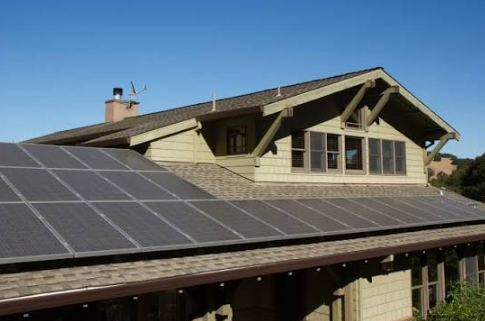
Solar panels are typically mounted a few inches above the roof surface, creating a gap that can serve as a protective barrier for the shingles underneath. This space allows for airflow, which can help regulate the temperature of the roof and reduce the direct impact of sunlight on the shingles. By blocking a significant portion of ultraviolet rays, solar panels can slow down the degradation of roofing materials caused by constant sun exposure. Additionally, during heavy rain or hailstorms, the panels absorb the brunt of the impact, shielding the shingles from direct contact with precipitation and debris. This can be particularly beneficial in regions prone to severe weather, as the panels act as a first line of defense, potentially extending the lifespan of the roof. However, the effectiveness of this protection depends on the quality of the installation and the type of mounting system used, as improper installation can lead to water leaks or other issues.
See also: Top Reasons Businesses Prefer 100 Polyester T-Shirts for Promotional Events
Weather Resistance and Shingle Longevity
The presence of solar panels on a roof can influence how well shingles withstand various weather conditions over time. In areas with intense sunlight, shingles are prone to fading, cracking, and becoming brittle due to prolonged UV exposure. Solar panels, by covering portions of the roof, reduce the amount of sunlight that reaches the shingles, which can help maintain their color and structural integrity for a longer period. During storms, the panels can deflect hailstones and minimize the force of wind-driven rain, lessening the risk of shingle damage. It is important to note, however, that while solar panels offer some degree of protection, they do not make the roof invulnerable. Homeowners should still ensure that their roof is in good condition before installation, as existing damage or weak spots can be exacerbated by the additional weight and mounting hardware. Consulting with a Roofing Company Savannah can help determine if a roof is suitable for solar panel installation and what steps should be taken to maximize both energy efficiency and weather protection.
Installation Considerations for Weather Protection
Proper installation is crucial for ensuring that solar panels provide the intended protective benefits without introducing new risks. The mounting system must be securely attached to the roof structure to withstand high winds and prevent panels from becoming dislodged during storms. Flashing and sealants should be used around mounting points to prevent water infiltration, which can lead to leaks and rot. The type of shingles on the roof also plays a role in how well the panels integrate and protect the underlying materials. Asphalt shingles, for example, are commonly used and generally compatible with most solar mounting systems, but they must be in good condition to avoid complications. Tile or metal roofs may require different installation techniques to ensure both stability and weather resistance. Regular inspections after installation are recommended to check for any signs of wear or damage, especially after severe weather events. By addressing these considerations, homeowners can enhance the protective qualities of their solar panels while safeguarding the longevity of their roof.
Solar Panels and Roof Ventilation
Solar panels can also impact the ventilation of a roof, which is an important factor in weather resistance and overall roof health. The gap between the panels and the roof surface allows air to circulate, which can help dissipate heat and moisture that might otherwise become trapped. Proper ventilation reduces the risk of mold growth and ice dam formation in colder climates, both of which can compromise the integrity of shingles. However, if the panels are installed too close to the roof or if debris accumulates in the gap, airflow can be restricted, leading to potential moisture problems. Homeowners should ensure that their solar panel system is designed to maintain adequate ventilation and that the area beneath the panels is kept clear of leaves and other debris. This proactive approach can help maintain the protective benefits of the panels while preventing unintended issues related to poor airflow.
Maintenance and Long-Term Performance
Maintaining both the solar panels and the roof is essential for ensuring long-term weather protection. Regular cleaning of the panels helps maintain their efficiency and prevents the buildup of dirt and debris that could trap moisture against the shingles. Inspections should be conducted at least once a year, or after major storms, to check for any signs of damage to the panels, mounting hardware, or roofing materials. Promptly addressing any issues can prevent minor problems from escalating into costly repairs. Homeowners should also be aware that while solar panels can extend the life of the shingles they cover, the uncovered portions of the roof remain exposed to the elements and may age at a different rate. Coordinating roof maintenance with solar panel upkeep ensures that both systems continue to function effectively and provide the desired level of protection.
The Role of Professional Assessment
A professional assessment is a key step before installing solar panels, especially for those seeking to enhance weather protection for their shingles. Roofing professionals can evaluate the current condition of the roof, identify any areas that may need repair or reinforcement, and recommend the most suitable type of solar mounting system. They can also advise on the optimal placement of panels to maximize both energy production and protective coverage. This assessment helps prevent potential issues such as leaks, structural damage, or reduced panel performance. By investing in a thorough evaluation, homeowners can make informed decisions that support the long-term durability of both their roof and solar energy system.
Conclusion
Solar panels can offer a degree of protection for shingles by shielding them from direct sunlight, rain, and hail, potentially extending the lifespan of the roof. However, the effectiveness of this protection depends on proper installation, regular maintenance, and the condition of the roof prior to installation. While solar panels can help reduce weather-related wear on the covered areas, they are not a substitute for a well-maintained roof or professional assessment. Homeowners considering solar panels should work with qualified roofing and solar professionals to ensure that their investment provides both energy savings and enhanced weather resistance for years to come.